
Key milestones
-
1946
Argo founded
Argo was founded by chartered accountant Alf Adamson and lawyer Kevin Ward in Adelaide in 1946, with paid-up capital of £10,000. Kevin Ward was appointed Chairman and Alf Adamson became Argo's Manager.
-
1948
Exchange listing
A little over two years after Argo was founded, the Company was listed on the Adelaide Stock Exchange.
-
 1954
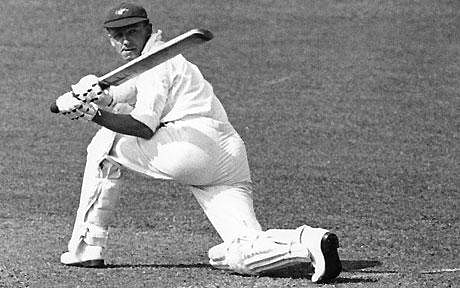
Sir Donald Bradman AC appointed to the Board
Australian cricketing legend Sir Donald Bradman was appointed a Director. He would go on to serve on the Board until 1984, including as Chairman from 1982-84.
-
1954
First acquisition
Argo acquired Austral Plaster Co. Ltd, an Adelaide investment company which was the first of many acquisitions to build Argo's size and become increasingly cost-efficient.
-
1959
Steady asset growth
By 1959, the Company's total assets had increased to $2 million (in today's currency) through numerous acquisitions of other Australian investment companies, share placements and capital appreciation.
-
1961
Ship logo adopted
For the first time, the 1961 Annual Report included the image of the Argonaut's ship the Argo, from Greek mythology.
-
1966
2,000 shareholders
Continued acquisitions, the takeover of Wakefield Investments, and share placements to London-based investors took the register past 2,000 shareholders.
-
 1969
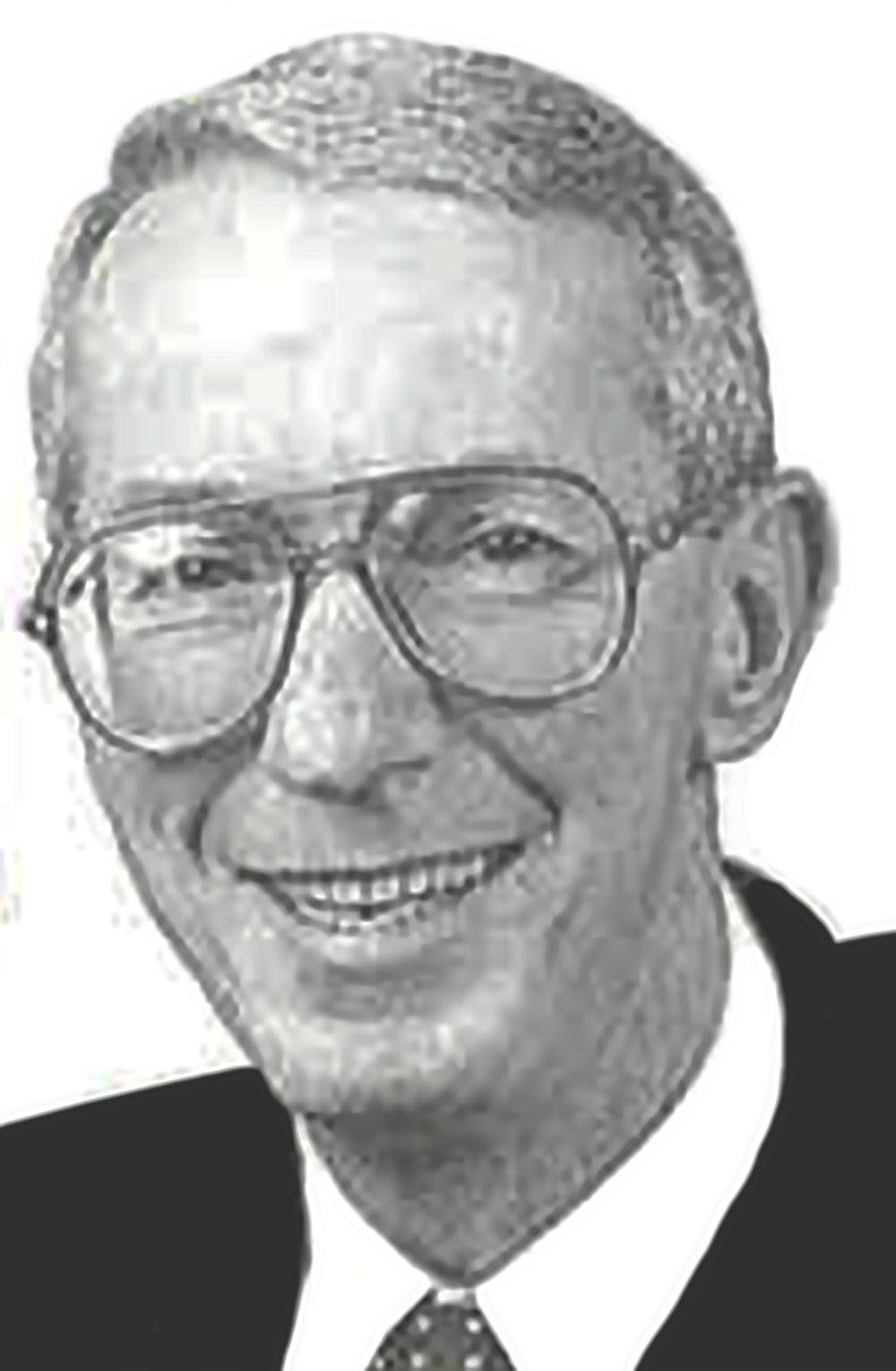
Rob Patterson
Rob Patterson was appointed Argo's Company Secretary in 1969. He would go on to become Managing Director and serve the Company for over 40 years through varying economic and market conditions, overseeing the remarkable growth of Argo's assets, its operations and shareholder numbers.
-
1971
25th anniversary
Argo marked its first major milestone, celebrating 25 years since it was founded. By 1976, net operating profit exceeded $1 million for the first time.
-
1987
First franked dividend
With Australia's new imputation system in 1987, Argo paid its first franked dividend, achieving a fully franked dividend by 1995, and every dividend since.
-
1992
Sydney office opened
After merging with Sydney-based listed investment company Stoddarts Holdings Limited, Argo opened its second office. The east coast presence gave Argo increased access to Australia's capital markets and the many companies headquartered in Sydney.
-
 1996
50th anniversary
Argo's Golden Anniversary. Assets totalled $744 million and there were more than 25,000 shareholders.
-
1998
$1 billion of assets
Doubling in less than five years from $500 million, Argo's assets exceeded $1 billion for the first time.
-
1999
DRP introduced
Argo's Dividend Reinvestment Plan launched, giving shareholders the option to automatically reinvest dividends into additional shares in the Company.
-
2000
Major mergers
The turn of the new millennium saw Argo successfully merge with Wakefield Investments (Australia) Limited and Bounty Investments Limited, to significantly increase assets and reduce management costs to the benefit of all shareholders.
-
 2010
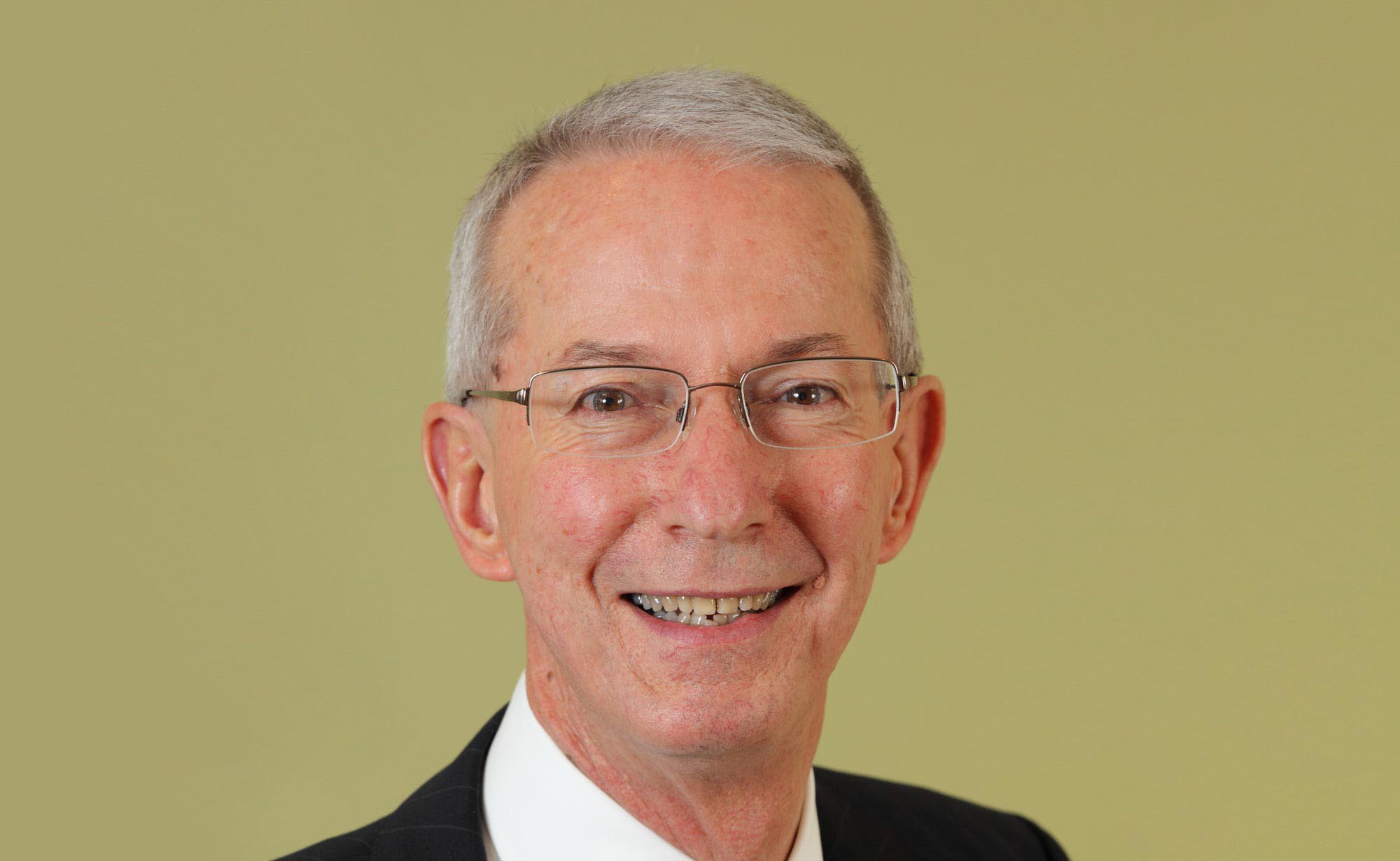
Rob Patterson retired
After serving Argo for a remarkable 41 years, including 28 years at the helm, Rob Patterson retired, succeeded by Jason Beddow.
-
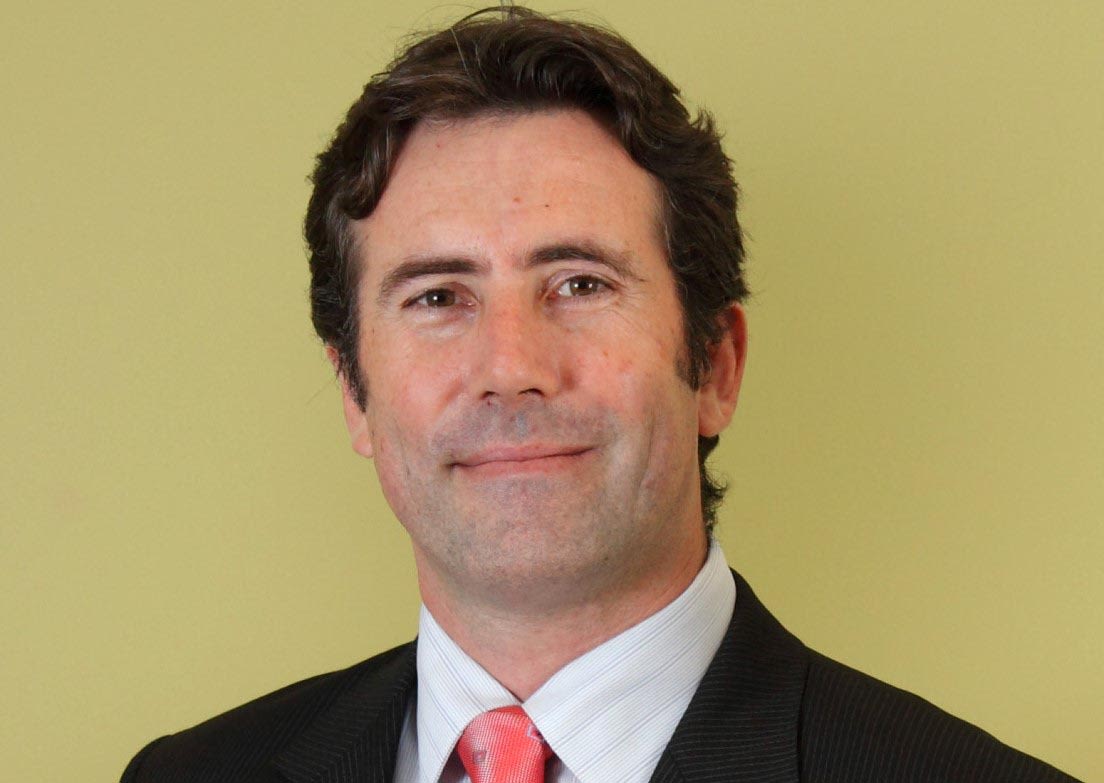 2014
Jason Beddow
Jason Beddow, CEO since 2010, was appointed Managing Director, only the third in Argo's long history.
-
 2015
Global LIC launched
Argo launched a new listed investment company, Argo Global Listed Infrastructure (ASX: ALI).
-
2015
Best LIC award
Argo was named the inaugural winner of the AFR Smart Investor 'Best Australian Listed Investment Company.'
-
 2021
New visual identity
Argo marked 75 years and updated its visual identity, including enhancing the logo for digital applications.
-
2026
Celebrating 80 years
Argo celebrates 80 years of investing on behalf of its shareholders.
-
2026
Quarterly dividends introduced
Argo announces it will go from paying dividends twice to four times annually.